


Vietnam spent over $2.6 billion importing of corn, wheat, and soybeans
Friday, May 15,2026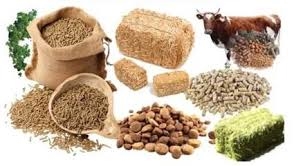
AsemconnectVietnam - In the first four months of the year, Vietnam spent over $2.6 billion importing corn, wheat, and soybeans, a sharp increase compared to the same period last year due to rising demand for raw materials for livestock farming and food processing.
According to the Ministry of Agriculture and Environment, in the first four months of this year, Vietnam imported nearly 4 million tonnes of wheat, worth over $1 billion, an increase of 66% in volume and 60% in value compared to the same period last year.
Corn was also imported in large quantities, reaching 4.4 million tonnes, worth of over $1.1 billion, an increase of 49% in volume and 43% in value. Meanwhile, soybean imports reached 1.1 million tonnes, worth of $542 million, an increase of 61% and 70% respectively.
Despite the sharp increase in imports, the prices of many types of grains on the world market remained lower than the same period last year. The average import price of wheat in the first four months of the year reached approximately US$255.4 per ton, a decrease of 3.7%, while corn decreased by 3.6% to US$248.8 per tonne. Soybean prices, however, increased by 5.2% to US$475.9 per tonne.
According to the latest report from the US Department of Agriculture (USDA), global corn and soybean supplies for the 2025-2026 crop year remain high thanks to large production from Brazil and the US. This helps keep grain prices low, creating favorable conditions for Vietnamese businesses to increase imports and stockpile raw materials.
Brazil and Argentina are currently the two largest suppliers of corn to Vietnam, accounting for nearly 80% of the market share. For soybeans, the US and Brazil account for nearly 90% of the import value. Meanwhile, Australia, Brazil, and Canada are the main wheat suppliers.
According to importing businesses, the demand for raw materials for the animal feed and aquaculture industries currently stands at nearly 30 million tons per year. Corn and wheat are the main energy sources, while soybeans are a crucial protein-rich ingredient in feed production.
In addition, the demand from the food processing industry, such as instant noodles, confectionery, cooking oil, and soy milk, is also rapidly increasing, leading to a continued rise in imports of these items.
While demand is growing, domestic supply remains limited. The area planted with corn and soybeans is continuously shrinking as farmers switch to crops with higher economic value. Wheat, in particular, is almost impossible to commercially produce in Vietnam due to unsuitable climatic conditions.
According to the Vietnam Animal Feed Association, imported raw materials currently account for a large proportion of the cost of animal feed production. Wheat is almost entirely dependent on imports, while domestic corn and soybeans only meet a portion of processing needs.
The heavy reliance on imported raw materials makes the livestock industry vulnerable to fluctuations in agricultural product prices or global logistics costs.
Since the end of February, the escalating conflict in the Middle East has also caused many businesses to worry that commodity prices and shipping costs could rise sharply again. Therefore, many companies have increased imports to stockpile raw materials for the remaining months of the year.
Analysts believe that in the short term, Vietnam will find it difficult to reduce its dependence on imported raw materials due to limitations in land availability, productivity, and farming efficiency. This means that the domestic livestock industry will continue to be heavily affected by fluctuations in the global agricultural market.
CK
Source: VITIC/ Vnexpress.net
Da Nang's import and export growth, trade surplus of 15 million USD
Vietnam-ASEAN trade exceeds US$90 billion after 31 years of membership
Agricultural exports: shift from "quantity" to "quality" for competitiveness
Plan to strengthen trade promotion for handicraft products approved
Vietnam’s steel exports in first 4 months of 2026
Vietnam's growth challenge and transformation pressure
Promoting digital economy: driving force for growth
Industrial production in 4 months of 2026 increased
Vietnam introduces agricultural products at large-scale African trade forum
MoIT issues decision recognising Vietnam Logistics Day
Manufacturing remains main driver of industrial growth
Reference exchange rate rises slightly at week’s beginning
Plan for implementation of Law on E-commerce
Vietnam durian prices remained stable on May 8, 2026


Public debt borrowing and repayment plan for 2026
Ensuring resources: Mobilizing sufficient and timely borrowed capital at reasonable costs and acceptable risks to meet expenditure needs ...Plan on implementation of high-tech law
Inter-sectoral legal support program for small and ...

Tourism destinations refresh offerings to welcome New ...
Across the Mekong Delta, many tourist sites have been busy upgrading their offerings. At the Con Son tourism site in Can Tho city, members ...Annual New Year festival shines in Da Nang
Phu Quoc emerging as a favourite global destination
Vietnam Airlines adds 270 flights to during 2026 New Year ...
