


Low-emission zone roadmap drives electric two-wheeler boom in Hanoi
Friday, April 17,2026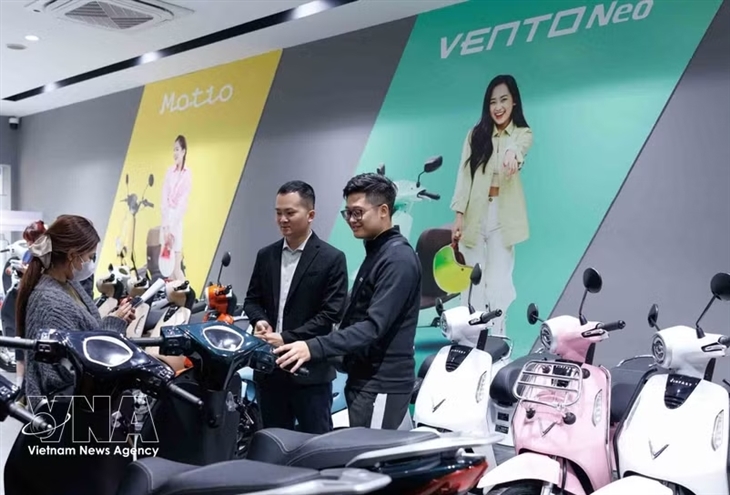
AsemconnectVietnam - From July 1, Hanoi will introduce time-based or area-based restrictions on petrol-powered motorcycles within Ring Road 1, with plans to expand coverage across the entire zone by 2028 and extend to areas within Ring Road 3 by 2030. The policy is expected to reshape travel habits for millions of urban residents.
Hanoi’s roadmap to implement low-emission zones (LEZ) from July is providing a strong boost to the electric two-wheeler market, as consumers increasingly shift toward greener mobility amid fuel price pressures and tightening restrictions on petrol-powered vehicles.
With less than three months before the city begins piloting LEZ measures under Resolution 57/2025 of the municipal People’s Council, the market for electric motorbikes is already showing clear signs of acceleration.
From July 1, Hanoi will introduce time-based or area-based restrictions on petrol-powered motorcycles within Ring Road 1, with plans to expand coverage across the entire zone by 2028 and extend to areas within Ring Road 3 by 2030. The policy is expected to reshape travel habits for millions of urban residents.
According to industry analyst The Dat, electrification is an inevitable global trend, and Vietnam is no exception. Rising fuel prices linked to geopolitical tensions in the Middle East, combined with domestic policy shifts, are expected to further drive demand for electric vehicles.
Market data reflects this momentum. In 2025, Vietnam recorded approximately 700,000 electric motorbike sales, with more than 209,000 units sold in the first half alone, nearly doubling year-on-year. The country currently ranks third globally in electric two-wheeler market size, behind China and India. Sales are projected to reach 1.2–1.3 million units in 2026, representing growth of around 150%.
Leading manufacturers have reported significant gains. VinFast maintained its dominant position with over 406,000 units sold in 2025, marking a nearly fivefold increase compared to the previous year. Other brands, including Yadea, Pega, Dat Bike and Selex Motor, have also posted strong growth.
From a consumer perspective, affordability remains a key driver. Mid-range models priced between 20–30 million VND (760-1,140 USD) are particularly popular, aligning with the purchasing power of most households. At the same time, buying behaviour is becoming more rational, with consumers increasingly evaluating total cost of ownership rather than upfront price alone.
Retailers report a surge in showroom visits and test rides in recent weeks, as customers compare long-term costs between petrol and electric vehicles, including fuel, maintenance and battery expenses. Some high-performance models offering ranges exceeding 200 kilometres per charge have faced temporary shortages due to rising demand.
However, infrastructure constraints remain a critical bottleneck. Limited charging facilities, particularly in apartment complexes, continue to pose challenges for widespread adoption. Many residential buildings lack adequate charging points or impose restrictions on electric vehicle parking, slowing the transition.
City authorities are stepping up efforts to address these gaps. Hanoi has identified more than 100 potential sites for charging stations and is developing support mechanisms related to land use, financing and investment procedures to attract private sector participation.
Experts emphasise that sustained market growth will depend on a comprehensive policy framework, including incentives such as registration fee reductions, parking preferences and expanded charging infrastructure. Accelerating the deployment of public charging and battery-swapping networks will be essential to ensure convenience and safety for users.
With a clear policy trajectory, active business engagement and evolving consumer preferences, Hanoi’s electric motorbike market is poised for rapid expansion. Ensuring synchronised progress in infrastructure and regulatory support will be key to translating this policy momentum into a long-term, sustainable green mobility ecosystem./.
Source: VNA
Supporting 100 Vietnamese businesses to invest abroad, 30% through M&A
Gia Lai wood industry: Overcoming challenges, achieving impressive growth
Vietnam Agricultural Markets on April 16: Musang king durian surged, while hogs and coffee higher
Vietnam’s long-term investment appeal remains intact: EuroCham
Commercial apartment supply shrinks, social housing gathers pace
Construction sector striving for high-growth target
Fuel taxes cut to 0% from April 16
Administrative import-export amended and supplemented
Industrial production increased by 9%, many key sectors achieved breakthroughs
Import and export 2026: expectation of accelerated growth from Q1 foundation
April 15, 2026 – Vietnam Agricultural Commodities Morning Brief
E-commerce boom shadowed by surge in counterfeit goods
State Treasury raises 3 bln USD worth of Government bonds in Q1
Import and export procedures to be simplified


Public debt borrowing and repayment plan for 2026
Ensuring resources: Mobilizing sufficient and timely borrowed capital at reasonable costs and acceptable risks to meet expenditure needs ...Plan on implementation of high-tech law
Inter-sectoral legal support program for small and ...

Tourism destinations refresh offerings to welcome New ...
Across the Mekong Delta, many tourist sites have been busy upgrading their offerings. At the Con Son tourism site in Can Tho city, members ...Annual New Year festival shines in Da Nang
Phu Quoc emerging as a favourite global destination
Vietnam Airlines adds 270 flights to during 2026 New Year ...
