


Seafood exports slowed in February and expected to recover in March
Monday, March 16,2026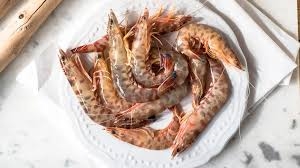
AsemconnectVietnam - Vietnam's seafood exports in February of 2026 reached approximately US$707 million, an 8% increase compared to the same period last year; cumulative exports for the first two months of 2026 reached US$1.7 billion, a 20.2% increase.
This result showed that the industry's recovery momentum was still quite strong after a sharp increase in January, although the pace slowed down noticeably in February for some key products and markets. In this overall picture, shrimp continued to be the biggest pillar, pangasius is recovering strongly, while tuna and the US and South Korean markets are showing signs that need closer monitoring. Seafood exports in March are expected to receive further impetus from markets other than the US to improve further. In terms of product categories, shrimp continues to play a leading role, with export value in February of 2026 reaching approximately US$310 million, a 17% increase. In the first two months, the shrimp exports reached US$689.5 million, an increase of nearly 20% compared to the same period last year. However, specifically for the US market, the outlook for Vietnamese shrimp is facing new pressure as the US Department of Commerce announced the final results of the 19th administrative review (POR19) of Vietnamese frozen shrimp. Accordingly, the two mandatory respondents, STAPIMEX and the Thong Thuan/TTCR group, were subject to a 25.76% tariff rate, while 22 businesses enjoyed individual tariff rates of 4.58%. This increases cost risks and creates a cautious sentiment among US importers in the short term. In February, shrimp exports to the US decreased by nearly 60% compared to the same period last year.
In February of 2026, pangasius exports reached US$119.3 million, a decrease of 4.8% compared to the same period last year, but the cumulative figure for the first two months still reached US$331.4 million, a strong increase of 28%. This indicates that growth was mainly driven by the very positive January, while February showed signs of correction. Pangasius exports to the US decreased by 20%, and exports to other markets decreased slightly due to the Lunar New Year holiday. Exports to China, however, increased by 15%.
Conversely, tuna exports were a more concerning issue, reaching only $53.3 million in February, a decrease of 14.7%; cumulative exports for the first two months reached $128.7 million, almost unchanged, a slight decrease of 0.2%. This showed that the marine fisheries sector is under pressure from market demand, logistics costs, and especially policy factors.
From January 1, 2026, shipments from fisheries whose equivalence was denied by NOAA under the MMPA regulations may be restricted from import into the US; at the same time, countries with partial denials will also have to apply for Certification of Admissibility (COA) for related shipments. NOAA also noted that Vietnam is among the countries whose fisheries are denied recognition, meaning the compliance risk for seafood caught and exported to the US has increased significantly this year. In February, tuna exports to major markets decreased slightly, with exports to the US falling nearly 26% year-on-year.
Other product groups recorded quite positive results. The exports of crabs and other crustaceans increased sharply in February, by 78.7%, bringing the two-month value to $66.2 million, up by 24%. Crab exports to China and Hong Kong alone reached $21.5 million in February, more than double the same period last year, mainly exporting live crabs to meet the demand for the Lunar New Year. China currently accounts for nearly 60% of Vietnam's total crab exports.
Squid and octopus exports remained almost flat in February, down by 0.4%, but still increased by 23.3% over the two months. Shellfish were the fastest-growing group, with a 70.3% increase in February and a 38.5% increase over the first two months. This indicates that the growth structure in early 2026 was not solely based on shrimp, but is spreading to other seafood and shellfish groups.
In terms of markets, China and Hong Kong were the brightest spots, with an 82% increase in February, bringing the two-month export value to US$513.5 million, a 54% increase. The Lunar New Year created significant demand for fresh seafood products in the Chinese market. Given the 2026 context of fluctuating tariff policies and technical barriers in the US, and logistical challenges due to the Middle East conflict, China will clearly be the most important growth driver for Vietnam's seafood industry.
ASEAN also performed well in the first two months, reaching US$118.6 million, a 21.5% increase, despite an 8% decrease in February alone. The EU maintained a more stable growth rate, increasing by 2.5% in February and 16.9% over the first two months. Japan saw a slight increase of 4.8% over the two months, but February alone saw an 18.3% decrease, indicating that demand is not yet truly robust.
The US remains an important market but is no longer a growth driver this year. In February of 2026, the exports to the US only reached approximately $80.8 million, a sharp decrease of 25.7%; the cumulative figure for the first two months was $209.3 million, a decrease of 3%. This market is simultaneously affected by slow demand, cautious importers, and policy uncertainties. In addition to POR19 and MMPA, the White House also issued a measure to impose an additional 10% import tariff on goods imported into the US for 150 days, effective from February 24, 2026. The specific impact on each seafood group still needs further monitoring in terms of implementation and applicable product codes, but it is clear that this is a factor that could lead to more cautious orders in March.
CK
Source: VITIC/congthuong.vn
Tea export increase by nearly 30%: An opportunity to reposition Vietnamese tea brands
Fruit and vegetable export to EU set a new record
Vietnam's canned tuna export in 2026 and market opening opportunities
E5 RON92 biofuel price falls in latest adjustment
Vietnam rice market quiet on March 13 as fresh paddy holds firm
Vietnam's import-export outlook 2026: Great opportunities in US and EU markets
Vietnam pepper prices fell sharply on the morning of March 13; Global Market Mostly Steady
Positive signals from market: Shrimp export accelerate in early 2026
Vietnam coffee prices fall sharply on March 13 as market enters correction phase
Textile and footwear export in 2026: maintaining key markets
Vietnam’s exports in Q1: expectations for continued growth
Vietnam’s economic indexes in February of 2026
Vietnam rice prices stable as Philippines boosts imports on March 12
Domestic coffee prices fall on Brazil crop outlook on March 12
