


China increases spending on high-end segment, Vietnamese shrimp export benefit
Wednesday, March 11,2026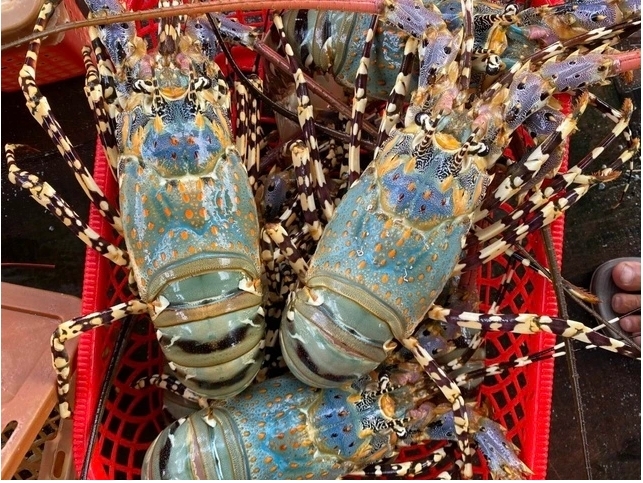
AsemconnectVietnam - Trend of shrimp import in China is shifting from quantity to quality, opening up opportunities for breakthroughs for Vietnamese shrimp exports, especially in the high-value segment.
China's shrimp imports increase in value
According to statistics, in 2025, China imported a total of 901,563 tonnes of shrimp, valued at US$4.79 billion, a 5% increase compared to the previous year.
Difference between value and volume growth indicates that average import price has increased. Monthly trends also clearly show seasonality. Import volume gradually increased from the second quarter, peaking in June-August, then cooling down towards the end of the year. December only reached 82,409 tonnes, a 9% decrease compared to the same period, contributing to a slight decrease in total volume for the year while import value continued its upward trend.
Supply of shrimp to China continues to be concentrated in a few key countries, with Ecuador playing a dominant role. In 2025, China imported 651,866 tonnes from Ecuador, a 3% decrease compared to previous year, but still accounting for over 70% of total import.
In 2025, India emerged as main source of growth with 149,599 tonnes, up 6%. Thailand reached 27,739 tonnes, up 19%, Argentina reached 19,170 tonnes, up 10% and Indonesia reached 13,137 tonnes, a sharp increase of 28%.
Increased presence of many countries shows that China is actively diversifying its supply sources instead of relying solely on Ecuador. This is a notable gap for exporters with differentiated products, especially in the processed and premium segments. China prioritizes quality and premium products.
Along with improved incomes and strong development of modern retail channels, e-commerce and restaurant chains, Chinese consumers are increasingly concerned about food safety, traceability and culinary experiences. Demand is no longer solely focused on cheap frozen raw shrimp but is shifting towards premium shrimp, live shrimp, large-sized shrimp, and deeply processed products.
Vietnam Association of Seafood Processing and Export (VASEP) believes that this shift has created a significant impetus for Vietnam's high-value shrimp products, especially lobster and tiger shrimp, which are suitable for the restaurant, hotel, and catering segments.
According to Vietnamese Customs data, in 2025, Vietnam's shrimp export to China reached US$1.2 billion, a 61% increase compared to 2024. China continues to be Vietnam's largest shrimp import market.
Structure of export products to China in 2025 is also noteworthy. Export of whiteleg shrimp and tiger shrimp are expected to increase by 6% and 5% respectively. Meanwhile, other shrimp products (mainly live/fresh/frozen shrimp) more than doubled and accounted for over 65% of total export value.
Notably, lobster emerged as the leading product. Lobster export to China accounted for almost all of Vietnam's lobster exports to the world. In addition, tiger shrimp continued to maintain a clear advantage in the high-end segment, serving high-quality restaurants and consumers.
Vietnamese shrimp has great opportunities to expand its market.
VASEP believes that Ecuador and India still dominate low-price shrimp segment, where economies of scale and production costs allow them to sell at competitive prices. If Vietnamese businesses participate in the low-price race, they are unlikely to win.
Conversely, Vietnam's advantage lies in its processing capabilities, product flexibility and high-end shrimp lines. As Chinese market shifts towards higher-quality consumption, this is ideal segment for Vietnamese shrimp to consolidate its position. Trend of China's shrimp import in 2025 shows that the market will continue to import heavily, but in a more selective manner. While volume may not increase dramatically, value and standards of products will steadily rise. Suppliers who meet quality, traceability and advanced processing requirements will have a clear advantage.
“With current growth momentum and advantages in geography, logistics and processing experience, Vietnamese shrimp has opportunity to expand its market share. However, businesses need to continue increasing added value, promoting high-end products and building direct relationships with distribution systems in China”, VASEP commented.
Source: Vitic/ congthuong.vn
According to statistics, in 2025, China imported a total of 901,563 tonnes of shrimp, valued at US$4.79 billion, a 5% increase compared to the previous year.
Difference between value and volume growth indicates that average import price has increased. Monthly trends also clearly show seasonality. Import volume gradually increased from the second quarter, peaking in June-August, then cooling down towards the end of the year. December only reached 82,409 tonnes, a 9% decrease compared to the same period, contributing to a slight decrease in total volume for the year while import value continued its upward trend.
Supply of shrimp to China continues to be concentrated in a few key countries, with Ecuador playing a dominant role. In 2025, China imported 651,866 tonnes from Ecuador, a 3% decrease compared to previous year, but still accounting for over 70% of total import.
In 2025, India emerged as main source of growth with 149,599 tonnes, up 6%. Thailand reached 27,739 tonnes, up 19%, Argentina reached 19,170 tonnes, up 10% and Indonesia reached 13,137 tonnes, a sharp increase of 28%.
Increased presence of many countries shows that China is actively diversifying its supply sources instead of relying solely on Ecuador. This is a notable gap for exporters with differentiated products, especially in the processed and premium segments. China prioritizes quality and premium products.
Along with improved incomes and strong development of modern retail channels, e-commerce and restaurant chains, Chinese consumers are increasingly concerned about food safety, traceability and culinary experiences. Demand is no longer solely focused on cheap frozen raw shrimp but is shifting towards premium shrimp, live shrimp, large-sized shrimp, and deeply processed products.
Vietnam Association of Seafood Processing and Export (VASEP) believes that this shift has created a significant impetus for Vietnam's high-value shrimp products, especially lobster and tiger shrimp, which are suitable for the restaurant, hotel, and catering segments.
According to Vietnamese Customs data, in 2025, Vietnam's shrimp export to China reached US$1.2 billion, a 61% increase compared to 2024. China continues to be Vietnam's largest shrimp import market.
Structure of export products to China in 2025 is also noteworthy. Export of whiteleg shrimp and tiger shrimp are expected to increase by 6% and 5% respectively. Meanwhile, other shrimp products (mainly live/fresh/frozen shrimp) more than doubled and accounted for over 65% of total export value.
Notably, lobster emerged as the leading product. Lobster export to China accounted for almost all of Vietnam's lobster exports to the world. In addition, tiger shrimp continued to maintain a clear advantage in the high-end segment, serving high-quality restaurants and consumers.
Vietnamese shrimp has great opportunities to expand its market.
VASEP believes that Ecuador and India still dominate low-price shrimp segment, where economies of scale and production costs allow them to sell at competitive prices. If Vietnamese businesses participate in the low-price race, they are unlikely to win.
Conversely, Vietnam's advantage lies in its processing capabilities, product flexibility and high-end shrimp lines. As Chinese market shifts towards higher-quality consumption, this is ideal segment for Vietnamese shrimp to consolidate its position. Trend of China's shrimp import in 2025 shows that the market will continue to import heavily, but in a more selective manner. While volume may not increase dramatically, value and standards of products will steadily rise. Suppliers who meet quality, traceability and advanced processing requirements will have a clear advantage.
“With current growth momentum and advantages in geography, logistics and processing experience, Vietnamese shrimp has opportunity to expand its market share. However, businesses need to continue increasing added value, promoting high-end products and building direct relationships with distribution systems in China”, VASEP commented.
Source: Vitic/ congthuong.vn
Pangasius industry aims for sustainable growth in 2026
National technical standard for liquid milk products issued
Import and export in 2025 create a solid foundation for sustainable integration
Vietnam rice prices edged up on March 10 as raw rice and by-products rise slightly
Domestic pepper prices steady on March 10, Middle East tensions may pressure prices in the short term
Vietnam coffee prices steady at 96,700 dong/kg as farmers hold back sales
Vietnam to minimize impact of US-Israel-Iran conflict on imports and exports
Vietnamese tuna export to EU face new competitive pressure
Small consumer loan threshold proposed to increase to 400 million VND
Promoting high-quality rice exports amid mounting challenges
PM requests boosting agricultural development in Northwestern region
Tightening import conditions for used cars under CPTPP quotas
Key agricultural products saw export growth
Vietnam rice prices largely stable on March 6, fresh paddy shows slight fluctuations


Public debt borrowing and repayment plan for 2026
Ensuring resources: Mobilizing sufficient and timely borrowed capital at reasonable costs and acceptable risks to meet expenditure needs ...Plan on implementation of high-tech law
Inter-sectoral legal support program for small and ...

Tourism destinations refresh offerings to welcome New ...
Across the Mekong Delta, many tourist sites have been busy upgrading their offerings. At the Con Son tourism site in Can Tho city, members ...Annual New Year festival shines in Da Nang
Phu Quoc emerging as a favourite global destination
Vietnam Airlines adds 270 flights to during 2026 New Year ...
