


Vietnam to minimize impact of US-Israel-Iran conflict on imports and exports
Tuesday, March 10,2026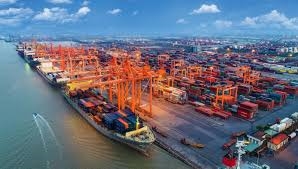
AsemconnectVietnam - The escalating conflict between the United States, Israel, and Iran, starting on February 28, 2026, is creating a new layer of risk for global trade, which is already not entirely stable.
In this context, import and export authorities recommend that Vietnamese businesses proactively conduct a comprehensive review of their business operations to minimize losses.
According to the Import and Export Department (Ministry of Industry and Trade), tensions between the United States, Israel, and Iran could directly impact international goods circulation, especially on shipping routes through the Middle East. This region holds a strategic position for energy transport and intercontinental trade, so any fluctuations risk increasing shipping costs, insurance fees, and extending delivery times.
Based on this reality, the Import-Export Department recommends that businesses closely monitor market developments, proactively update information from relevant agencies, industry associations, and logistics partners to promptly adjust production and delivery plans. Working early with shipping lines and insurance companies to confirm schedules, surcharges, or potential changes to shipping routes is considered a practical solution to avoid being caught off guard.
An important point emphasized is the thorough review of foreign trade contract terms. Vietnamese businesses need to fully check regulations related to delivery conditions, payment methods, force majeure clauses, and dispute resolution mechanisms. In the context of increasing geopolitical risks, thorough legal documentation will help minimize the risk of disputes or financial losses when unexpected situations arise.
In addition, the management agency recommends that Vietnamese businesses diversify their export markets and sources of raw materials. Over-reliance on a single region or transportation route can make businesses vulnerable to fluctuations. Seeking additional partners, expanding into alternative markets, and developing flexible supply chain scenarios will contribute to strengthening the resilience of the supply chain.
Financial factors are also considered a variable that needs to be controlled. Fluctuations in energy prices, exchange rates, and transportation costs can increase production costs and narrow profit margins. Vietnamese businesses need to proactively work with credit institutions to choose secure payment methods, while also considering exchange rate risk mitigation measures appropriate to their scale and operational characteristics.
The overarching message from regulatory authorities is one of proactiveness and flexibility. In the context of uncertain international trade, only businesses that are well-prepared, closely monitor the market, and adjust their strategies promptly can minimize negative impacts, maintain export and import momentum, and stabilize production and business operations.
CK
Source: VITIC/thuehaiquan.tapchikinhtetaichinh.vn
Vietnamese tuna export to EU face new competitive pressure
Small consumer loan threshold proposed to increase to 400 million VND
Promoting high-quality rice exports amid mounting challenges
PM requests boosting agricultural development in Northwestern region
Tightening import conditions for used cars under CPTPP quotas
Key agricultural products saw export growth
Vietnam rice prices largely stable on March 6, fresh paddy shows slight fluctuations
Domestic pepper prices on March 6 rebounded sharply to a high of VND146,000/kg
Domestic coffee prices rose on March 6,2026
Seafood exports faced pressure from US tariff fluctuations in February
Hundreds of foreign textile and garment businesses seek partners in Vietnam
Four EU regulations shaping consumer trends and impacting Vietnamese exports
Hanoi seeks new impetus to achieve export growth target in 2026
Textile and garment industry seeks new directions in global competition
