


Expected seafood exports in 2025 to reach over US$11.3 billion, with CPTPP markets dominating
Tuesday, December 23,2025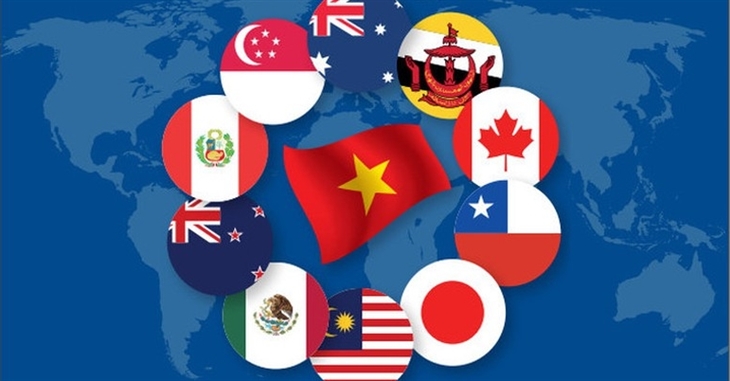
AsemconnectVietnam - In 2025, in terms of markets, the CPTPP bloc will continue to be a major driving force for Vietnam's seafood exports due to tariff advantages and relatively stable markets.
Seafood export estimated to reach over US$11.3 Billion
According to the Vietnam Association of Seafood Processing and Export (VASEP), Vietnam's seafood exports in November 2025 reached US$989.5 million, a 64.6% increase compared to the same period in 2024. This strong growth in November significantly contributed to bringing the total seafood export value for the first 11 months of 2025 to US$10.5 billion, a 19% increase compared to the same period in 2024.
Seafood exports in 2025 will not only recover in line with the general trend of the global market, but will also experience a clear acceleration towards the end of the year, as demand for the holiday season and year-end consumption in key markets increases, reflecting the proactive and flexible approach of businesses in adapting to market fluctuations.
VASEP assesses that the export results for November and the first 11 months of 2025 show that Vietnam's seafood industry is maintaining relatively stable growth, driven mainly by shrimp and pangasius, while other seafood groups are also recovering positively. However, pressures on costs, trade barriers, and increasingly stringent standards remain major challenges, requiring the industry to continue improving added value, maintaining good quality control, and proactively adapting to sustain growth in the future.
In December 2025, seafood exports are estimated to reach approximately US$840 million, a slight decrease compared to the same period last year, due to businesses being more cautious about exporting to the United States amidst the ban on imports of many major seafood species under the MMPA regulations and concerns about anti-dumping duties on shrimp from the beginning of 2026.
With that figure, the estimated seafood exports for the whole year of 2025 will reach over US$11.3 billion, an 11% increase compared to 2024.
CPTPP remains a driving force for Vietnamese seafood exports.
The VASEP Association believes that, in terms of markets, the CPTPP bloc continues to be a major driving force for Vietnamese seafood exports due to tariff advantages and relatively stable markets such as Japan, Canada, and Australia. In the first 11 months of the year, seafood exports to CPTPP countries reached US$2.85 billion, a 28.6% increase compared to the same period in 2024.
China and Hong Kong (China) were the fastest-growing markets among the main markets. Seafood exports to this region in the first 11 months reached US$2.26 billion, a significant 36% increase compared to the same period. This high growth rate demonstrates the increasing role of this market in the seafood export structure, especially for fresh and live products such as lobster, crab, scallops, and clams.
Exports to the United States reached US$1.8 billion in the first 11 months, an increase of nearly 11% compared to the same period. This growth rate was lower than that of CPTPP, China, and Hong Kong (China) due to challenges such as the 20% reciprocal tariff, high anti-dumping duties on shrimp, and MMPA regulations for harvested seafood. However, the United States remains an important market with a large export value, especially for key products such as shrimp, pangasius, and tuna.
For the EU, seafood exports in the first 11 months exceeded $1 billion, an increase of 17.4% compared to the same period last year. This increase shows that demand in the EU is gradually improving, with the advantage leaning more towards farmed seafood products, while exports of wild-caught seafood to the EU are still affected by the IUU yellow card.
Seafood exports to South Korea reached $803.9 million, an increase of 14.7% compared to the same period last year. This market maintains relatively stable growth, contributing steadily to Vietnam's total seafood export value.
Shrimp Leads Export Growth
According to VASEP, regarding key product groups, in the first 11 months of 2025, shrimp continued to play a leading role with export value reaching approximately US$4.32 billion, an increase of 27.7% compared to the same period. This is the highest growth rate among key product groups, reflecting the clear recovery of import demand as well as the market expansion potential of Vietnamese shrimp. The diversified product structure, from raw shrimp to deeply processed products, helps the shrimp industry maintain its competitive advantage despite facing price pressures and trade barriers.
Pangasius exports exceeded US$2 billion in the first 11 months, an increase of 11.8% compared to the same period last year. Stable demand in Asian markets, especially China, continues to play a leading role, while businesses are actively diversifying markets to compensate for difficulties in some traditional markets.
For tuna, export turnover in the first 11 months reached approximately US$856 million, a slight decrease of 3.4% compared to the same period. Although the industry is still affected by raw material issues, logistics, and strict requirements on the origin of catch, the trend in the last months of the year shows certain signs of recovery, especially in the processed and value-added product segments.
The squid and octopus group recorded positive growth with export turnover reaching approximately US$704 million, an increase of 21.5% compared to the same period. This product group experienced a significant increase, reflecting improved demand in Asian and EU markets, particularly in the food service and tourism segments.
In addition, other marine fish products (including mackerel, anchovies, tilapia, and other harvested fish species) reached nearly US$2 billion, an increase of 16.5%. This product group continues to make a significant contribution to the total export value, demonstrating the diversification of supply sources and export markets for the seafood industry.
Source: Vitic/ congthuong.vn
According to the Vietnam Association of Seafood Processing and Export (VASEP), Vietnam's seafood exports in November 2025 reached US$989.5 million, a 64.6% increase compared to the same period in 2024. This strong growth in November significantly contributed to bringing the total seafood export value for the first 11 months of 2025 to US$10.5 billion, a 19% increase compared to the same period in 2024.
Seafood exports in 2025 will not only recover in line with the general trend of the global market, but will also experience a clear acceleration towards the end of the year, as demand for the holiday season and year-end consumption in key markets increases, reflecting the proactive and flexible approach of businesses in adapting to market fluctuations.
VASEP assesses that the export results for November and the first 11 months of 2025 show that Vietnam's seafood industry is maintaining relatively stable growth, driven mainly by shrimp and pangasius, while other seafood groups are also recovering positively. However, pressures on costs, trade barriers, and increasingly stringent standards remain major challenges, requiring the industry to continue improving added value, maintaining good quality control, and proactively adapting to sustain growth in the future.
In December 2025, seafood exports are estimated to reach approximately US$840 million, a slight decrease compared to the same period last year, due to businesses being more cautious about exporting to the United States amidst the ban on imports of many major seafood species under the MMPA regulations and concerns about anti-dumping duties on shrimp from the beginning of 2026.
With that figure, the estimated seafood exports for the whole year of 2025 will reach over US$11.3 billion, an 11% increase compared to 2024.
CPTPP remains a driving force for Vietnamese seafood exports.
The VASEP Association believes that, in terms of markets, the CPTPP bloc continues to be a major driving force for Vietnamese seafood exports due to tariff advantages and relatively stable markets such as Japan, Canada, and Australia. In the first 11 months of the year, seafood exports to CPTPP countries reached US$2.85 billion, a 28.6% increase compared to the same period in 2024.
China and Hong Kong (China) were the fastest-growing markets among the main markets. Seafood exports to this region in the first 11 months reached US$2.26 billion, a significant 36% increase compared to the same period. This high growth rate demonstrates the increasing role of this market in the seafood export structure, especially for fresh and live products such as lobster, crab, scallops, and clams.
Exports to the United States reached US$1.8 billion in the first 11 months, an increase of nearly 11% compared to the same period. This growth rate was lower than that of CPTPP, China, and Hong Kong (China) due to challenges such as the 20% reciprocal tariff, high anti-dumping duties on shrimp, and MMPA regulations for harvested seafood. However, the United States remains an important market with a large export value, especially for key products such as shrimp, pangasius, and tuna.
For the EU, seafood exports in the first 11 months exceeded $1 billion, an increase of 17.4% compared to the same period last year. This increase shows that demand in the EU is gradually improving, with the advantage leaning more towards farmed seafood products, while exports of wild-caught seafood to the EU are still affected by the IUU yellow card.
Seafood exports to South Korea reached $803.9 million, an increase of 14.7% compared to the same period last year. This market maintains relatively stable growth, contributing steadily to Vietnam's total seafood export value.
Shrimp Leads Export Growth
According to VASEP, regarding key product groups, in the first 11 months of 2025, shrimp continued to play a leading role with export value reaching approximately US$4.32 billion, an increase of 27.7% compared to the same period. This is the highest growth rate among key product groups, reflecting the clear recovery of import demand as well as the market expansion potential of Vietnamese shrimp. The diversified product structure, from raw shrimp to deeply processed products, helps the shrimp industry maintain its competitive advantage despite facing price pressures and trade barriers.
Pangasius exports exceeded US$2 billion in the first 11 months, an increase of 11.8% compared to the same period last year. Stable demand in Asian markets, especially China, continues to play a leading role, while businesses are actively diversifying markets to compensate for difficulties in some traditional markets.
For tuna, export turnover in the first 11 months reached approximately US$856 million, a slight decrease of 3.4% compared to the same period. Although the industry is still affected by raw material issues, logistics, and strict requirements on the origin of catch, the trend in the last months of the year shows certain signs of recovery, especially in the processed and value-added product segments.
The squid and octopus group recorded positive growth with export turnover reaching approximately US$704 million, an increase of 21.5% compared to the same period. This product group experienced a significant increase, reflecting improved demand in Asian and EU markets, particularly in the food service and tourism segments.
In addition, other marine fish products (including mackerel, anchovies, tilapia, and other harvested fish species) reached nearly US$2 billion, an increase of 16.5%. This product group continues to make a significant contribution to the total export value, demonstrating the diversification of supply sources and export markets for the seafood industry.
Source: Vitic/ congthuong.vn
Economic, trade, investment ties seen as pillar of Vietnam – EU Comprehensive Strategic Partnership
Vietnam's economy starts 2026 on upbeat footing amid reforms, trade rebound
ADB, SBV launch 2 million USD green banking initiative
Deputy PM concludes working visit to Switzerland
Ho Chi Minh City – A magnet for global capability centres
Vietnam attends fourth annual electronics expo in India
Vietnam values traditional friendship with Sweden: PM
European Council President concludes official visit to Vietnam
Hanoi’s agricultural exports surpass 2 billion USD in 2025
Vietnam’s wood industry adapts to sustainable development requirements
Ho Chi Minh City consults on strategy for International Financial Centre
China’s Youyi Guan border gate accelerates customs clearance ahead of Lunar New Year
Deputy Minister hopeful for US tariff talks next week
New Zealand – Vietnam Business Council launched in Auckland
