


New food safety and quarantine requirements: export enterprises need to know early
Monday, September 21,2026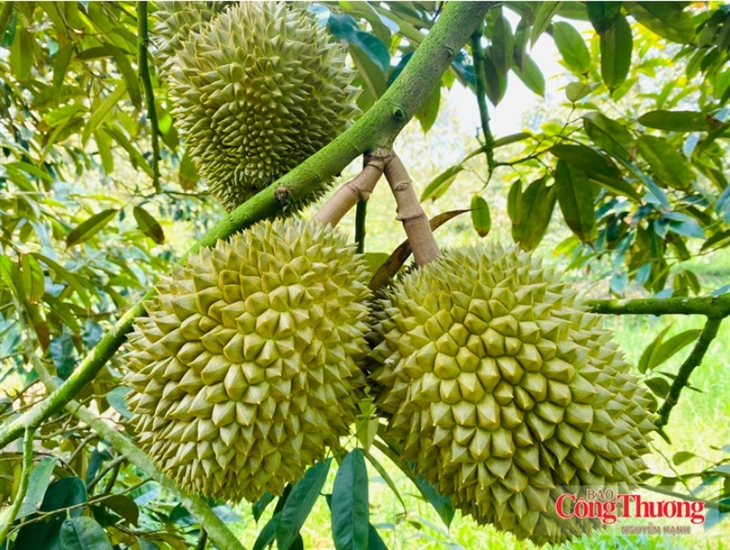
AsemconnectVietnam - 33 new SPS notifications in the first half of September show that food safety, quarantine and residue requirements continue to be updated by markets.
A series of new requirements on residues and quarantine
According to a summary by Vietnam SPS Office, from September 1–15, 2026, Members of World Trade Organization (WTO) issued 33 notifications on food safety and animal and plant quarantine measures (SPS). Of these, 20 notifications were drafts for comments and 13 notifications have come into effect. The notifications focus on many groups of requirements, from limits on pesticide residues, veterinary drugs, feed additives, sweeteners to mycotoxins and plant quarantine.
Specifically, in European Union (EU), 4 notifications were issued related to food safety and feed additives. Notably, Notification G/SPS/N/EU/965 proposes amendments to regulations on sanitary conditions for storage of fresh meat from hoofed animals before freezing. Draft specifies maximum time from slaughter to freezing, depending on storage temperature.
Notification G/SPS/N/EU/933/Add.1 concerns amendments to maximum residue limits for total furan, 2-methylfuran and 3-methylfuran in cereal-based foods for infants, young children and baby food. Two other EU notifications concern extension and authorization of use of taurine, eugenol and trans-anethole as feed additives for certain animal and poultry species.
In China, notification G/SPS/N/CHN/1388 proposes a new National Food Safety Standard, specifying maximum residue limits (MRLs) for 142 veterinary drugs in animal-derived foods, including livestock, poultry, seafood and bee products. Canada published two notifications, G/SPS/N/CAN/1648 and G/SPS/N/CAN/1647, concerning revisions and regulations of MRLs for fludioxonil and cyprodinil in certain agricultural products such as cruciferous vegetables, cranberries and ginseng root.
Meanwhile, Brazil has five notifications related to updates to monographs on active ingredients of plant protection products, biocides and mycotoxin limits in food. Specifically, notification G/SPS/N/BRA/2385/Add.1 amends maximum permissible limits for certain mycotoxins, such as aflatoxin, in milk, peanuts and corn. Remaining notifications relate to drafting, addition and amendment of monographs for certain active ingredients in monographs for pesticides, disinfectants and wood preservatives.
These changes demonstrate that SPS requirements in various markets are not fixed but continue to be adjusted according to product groups and food safety risks. For export enterprises, updating regulations before production and delivery directly impacts their ability to meet market demands.
Vietnamese durian faces stricter control requirements in Ukrainian market
A notable development for Vietnamese agricultural products is Ukraine's notification G/SPS/N/UKR/275 regarding a draft amendment to list of non-animal-derived food and animal feed subject to enhanced import controls. According to draft, fresh or chilled durian from Vietnam will be subject to enhanced control for pesticide residue testing.
Along with Ukraine, Taiwan (China) also published notification G/SPS/N/TPKM/659 concerning a draft amendment to quarantine requirements for imported plants and plant products. According to notification, Vietnam has been added to list of areas affected by several pests such as Frankliniella occidentalis, Pseudomonas syringae pv. syringae and Potato spindle tuber viroid. In Hong Kong (China), notification G/SPS/N/HKG/51 proposes amendments to regulations on sweeteners in food, updating and increasing number of permitted sweeteners from 10 to 22. Draft adds several polyhydric alcohols, advantame and monk fruit extract.
Ukraine also published notifications related to disinfectants and requirements for foods used for special medical purposes and whole-meal replacement foods for weight management. Content focuses on ingredients, permitted substances, food safety and labeling.
In Kenya, two notifications, G/SPS/N/KEN/365/Add.1 and G/SPS/N/KEN/352/Add.1, announce formal adoption of Standard KS 2744:2026 on technical requirements for orthodox tea and Standard KS 1564:2026 on the handling, processing, preservation and distribution of shellfish.
According to statistics from Vietnam SPS Office, from January 1st to September 10th, 2026, three market regions – China, EU and the Middle East-Africa – announced 249 SPS measures, of which 99 have come into effect. Speaking with a reporter from Industry and Trade Newspaper, Mr. Ngo Xuan Nam, Deputy Director of Vietnam SPS Office, stated that the Office is strengthening its efforts to update, analyze and provide early warnings of new regulations on its website every 15 days; and is also providing information and documentation to 34 provinces, cities and enterprises. The focus is on requirements regarding maximum residue limits (MRLs), active ingredients, quarantine, facility registration, and traceability.
In light of changes in SPS requirements for animal-derived products, plant-derived products and processed foods, Mr. Ngo Xuan Nam also recommended that enterprises, cooperatives and producers proactively update and review the requirements of each market before organizing production and signing export contracts. Along with this, it is necessary to control input materials, especially pesticides, veterinary drugs, chemicals, animal feed and additives; maintain complete production logs, trace the origin, control each batch of goods and proactively test for high-risk indicators before export. Updating SPS requirements early, according to each market and product group, gives enterprises more time to adjust production processes, control quality and complete documentation, instead of dealing with warnings only after a shipment has already received a warning.
Source: Vitic/ congthuong.vn
According to a summary by Vietnam SPS Office, from September 1–15, 2026, Members of World Trade Organization (WTO) issued 33 notifications on food safety and animal and plant quarantine measures (SPS). Of these, 20 notifications were drafts for comments and 13 notifications have come into effect. The notifications focus on many groups of requirements, from limits on pesticide residues, veterinary drugs, feed additives, sweeteners to mycotoxins and plant quarantine.
Specifically, in European Union (EU), 4 notifications were issued related to food safety and feed additives. Notably, Notification G/SPS/N/EU/965 proposes amendments to regulations on sanitary conditions for storage of fresh meat from hoofed animals before freezing. Draft specifies maximum time from slaughter to freezing, depending on storage temperature.
Notification G/SPS/N/EU/933/Add.1 concerns amendments to maximum residue limits for total furan, 2-methylfuran and 3-methylfuran in cereal-based foods for infants, young children and baby food. Two other EU notifications concern extension and authorization of use of taurine, eugenol and trans-anethole as feed additives for certain animal and poultry species.
In China, notification G/SPS/N/CHN/1388 proposes a new National Food Safety Standard, specifying maximum residue limits (MRLs) for 142 veterinary drugs in animal-derived foods, including livestock, poultry, seafood and bee products. Canada published two notifications, G/SPS/N/CAN/1648 and G/SPS/N/CAN/1647, concerning revisions and regulations of MRLs for fludioxonil and cyprodinil in certain agricultural products such as cruciferous vegetables, cranberries and ginseng root.
Meanwhile, Brazil has five notifications related to updates to monographs on active ingredients of plant protection products, biocides and mycotoxin limits in food. Specifically, notification G/SPS/N/BRA/2385/Add.1 amends maximum permissible limits for certain mycotoxins, such as aflatoxin, in milk, peanuts and corn. Remaining notifications relate to drafting, addition and amendment of monographs for certain active ingredients in monographs for pesticides, disinfectants and wood preservatives.
These changes demonstrate that SPS requirements in various markets are not fixed but continue to be adjusted according to product groups and food safety risks. For export enterprises, updating regulations before production and delivery directly impacts their ability to meet market demands.
Vietnamese durian faces stricter control requirements in Ukrainian market
A notable development for Vietnamese agricultural products is Ukraine's notification G/SPS/N/UKR/275 regarding a draft amendment to list of non-animal-derived food and animal feed subject to enhanced import controls. According to draft, fresh or chilled durian from Vietnam will be subject to enhanced control for pesticide residue testing.
Along with Ukraine, Taiwan (China) also published notification G/SPS/N/TPKM/659 concerning a draft amendment to quarantine requirements for imported plants and plant products. According to notification, Vietnam has been added to list of areas affected by several pests such as Frankliniella occidentalis, Pseudomonas syringae pv. syringae and Potato spindle tuber viroid. In Hong Kong (China), notification G/SPS/N/HKG/51 proposes amendments to regulations on sweeteners in food, updating and increasing number of permitted sweeteners from 10 to 22. Draft adds several polyhydric alcohols, advantame and monk fruit extract.
Ukraine also published notifications related to disinfectants and requirements for foods used for special medical purposes and whole-meal replacement foods for weight management. Content focuses on ingredients, permitted substances, food safety and labeling.
In Kenya, two notifications, G/SPS/N/KEN/365/Add.1 and G/SPS/N/KEN/352/Add.1, announce formal adoption of Standard KS 2744:2026 on technical requirements for orthodox tea and Standard KS 1564:2026 on the handling, processing, preservation and distribution of shellfish.
According to statistics from Vietnam SPS Office, from January 1st to September 10th, 2026, three market regions – China, EU and the Middle East-Africa – announced 249 SPS measures, of which 99 have come into effect. Speaking with a reporter from Industry and Trade Newspaper, Mr. Ngo Xuan Nam, Deputy Director of Vietnam SPS Office, stated that the Office is strengthening its efforts to update, analyze and provide early warnings of new regulations on its website every 15 days; and is also providing information and documentation to 34 provinces, cities and enterprises. The focus is on requirements regarding maximum residue limits (MRLs), active ingredients, quarantine, facility registration, and traceability.
In light of changes in SPS requirements for animal-derived products, plant-derived products and processed foods, Mr. Ngo Xuan Nam also recommended that enterprises, cooperatives and producers proactively update and review the requirements of each market before organizing production and signing export contracts. Along with this, it is necessary to control input materials, especially pesticides, veterinary drugs, chemicals, animal feed and additives; maintain complete production logs, trace the origin, control each batch of goods and proactively test for high-risk indicators before export. Updating SPS requirements early, according to each market and product group, gives enterprises more time to adjust production processes, control quality and complete documentation, instead of dealing with warnings only after a shipment has already received a warning.
Source: Vitic/ congthuong.vn
Striving to capitalize on free trade agreements
Agricultural exports' role in balancing the country's trade account
Vietnam's economy maintained growth momentum
Vietnam's overseas investment on the rise
Essential elements for the carbon market in Vietnam
Vietnam’s seafood exports increased in 8 months of 2026
FDI into Vietnam surged in 8 months of 2026
Removing 'bottleneck' of capital and foreign language skills for export enterprises
Export surge in the first eight months, expanding growth potential for end of this year
Textile and garment material imports: promising sign for year-end orders
What should Vietnamese enterprises be aware of when UK establishes regulations to combat deforestation?
World rice prices are rising, so why isn't Vietnamese rice benefiting?
New regulations on foreign trade management issued
From growth to sustainability: New challenge for Vietnam’s fish meal
