


From growth to sustainability: New challenge for Vietnam’s fish meal
Tuesday, September 15,2026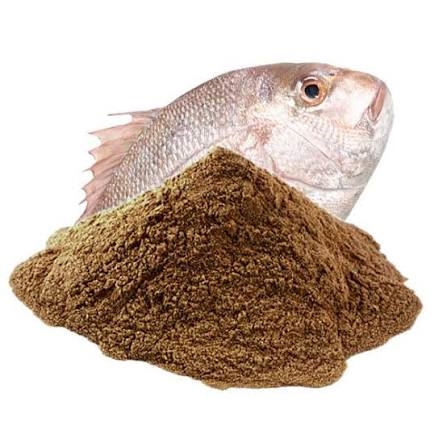
AsemconnectVietnam - Vietnam’s fish meal exports are surging in 2026.
Following a total value of $281 million in 2025, export turnover for the first seven months of this year reached nearly $244 million, a 72% increase year-on-year. However, with nearly 90% of export value concentrated in the Chinese market, there is an urgent need to diversify markets, standardize quality, and enhance product value.
Vietnam’s fish meal exports surged in 2026
In 2025, Vietnam’s fish meal exports totaled $281 million, an 8% increase from the previous year. China accounted for approximately $249 million of this figure, representing nearly 89% of the total export value.
Several smaller markets also recorded notable growth, such as Indonesia rose by 158%, Thailand by 148%, and Cambodia by 90%. Conversely, the exports to Japan and Taiwan fell by 37% and 24% respectively, highlighting the significant volatility of the fish meal market. Entering 2026, fish meal exports have accelerated markedly. In the first seven months of the year, export turnover reached nearly $244 million, up by 72% compared to the same period of 2025.
Notably, the growth rate has steadily increased since May. The exports reached $38 million in May, rose to nearly $51 million in June, and hit $65 million in July, the highest figure of the seven-month period. July alone saw a 153% increase year-on-year.
These trends indicate that market demand is creating favorable opportunities for Vietnamese fish meal. However, the issue of market structure remains a challenge underlying this rapid growth. China is a key driver but also creates a risk of over-reliance. In the first seven months of 2026, fishmeal exports to China reached approximately US$218 million, a 76% increase, accounting for about 89% of total export value.
With its massive demand and high capacity to absorb output, China remains a strategic market for Vietnamese enterprises. However, this nearly 90% share also means the fishmeal industry is vulnerable to fluctuations in demand, prices, or import policies within that market.
Therefore, the goal is not to reduce exports to China, but rather to accelerate development in other markets to lower market concentration.
Some positive signs have already emerged. In the first seven months of the year, the exports to Thailand surged by 549% to over US$8 million, while the exports to the Philippines, Malaysia, and Nigeria rose by 207%, 230%, and 517%, respectively. The exports to Japan, Taiwan, and Cambodia also increased by 27%, 17%, and 46%.
Although these markets remain small compared to China, they demonstrate significant room for export expansion, particularly within ASEAN and in markets with a demand for high-quality products.
Boosting fishmeal exports requires improving quality and diversifying markets
The Vietnamese fishmeal industry’s advantage lies in its raw material supply, which is integrated into the seafood harvesting, aquaculture, and processing value chain. However, to transform this raw material advantage into products with higher export value, the industry must overcome several bottlenecks.
First, the industry needs to standardize quality. Parameters such as protein content, moisture levels, freshness, and impurity content must remain consistent across shipments. Major customers require not just a single compliant shipment, but the capacity for stable, long-term supply.
Additionally, traceability and raw material transparency are becoming increasingly important. This is not merely a compliance requirement but also a prerequisite for businesses to access higher-value customers and market segments.
While maintaining a strong foothold in China, businesses must accelerate market diversification, focusing on ASEAN, Japan, Taiwan, and other emerging markets with robust growth potential.
Finally, it is essential to strengthen linkages among seafood processing plants, fishmeal producers, exporters, and feed manufacturers. A well-integrated supply chain will help stabilize raw material supplies, ensure quality control, and facilitate the establishment of long-term contracts.
Given the current growth momentum, 2026 could be a landmark year for Vietnam's fishmeal exports. However, to achieve sustainable growth, the industry cannot simply aim for higher sales volumes. The long-term strategy must focus on enhancing quality, expanding market reach, and increasing the value per unit of product.
Source: VITIC/vasep.com.vn
Textiles and garments contribute to Vietnam's rise to group of export powerhouses
From US$1 trillion milestone to new opportunities for Vietnam's logistics
Total import and export turnover in the first 8 months reached US$770.14 billion
Leather and footwear exports reached US$19.54 billion in 8 months of 2026
Vietnam’s seafood exports increased in 8 months of 2026
Fruit and vegetable import market structure: China and US remained dominant
Imports of computers and electronic components increased in 8 months
Expor to EU: Packaging becomes a new challenge
Electronics exports to North America increased due to supply chain shifts and AI demand
Vietnam's leading export markets of fruits and vegetables
Agricultural, forestry and fisheries export in the first 8 months of 2026 reached nearly US$49.3 billion
36 new SPS notifications: What should export enterprises pay attention to?
Coffee export: abundant potential from deep processing
Exports of computers and components and prospects for last months of 2026
