


Vietnam’s CPI fell slightly in July of 2026
Monday, August 10,2026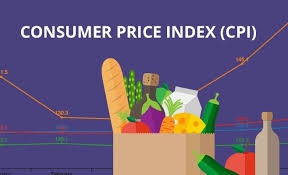
AsemconnectVietnam - Driven by abundant supplies of fuel and food, the Consumer Price Index (CPI) for July of 2026 fell by 0.12% compared to the previous month; however, the figure for the first seven months of the year still showed a 4.39% increase year-on-year.
According to the socio-economic report for July and the first seven months of 2026 from the General Statistics Office (Ministry of Finance), following a streak of continuous increases, the CPI for July 2026 reversed course, dropping 0.12% month-on-month. Nevertheless, compared to December of 2025, the CPI rose by 3.08%, and it increased by 4.45% compared to the same period of 2025.
Fuel and food prices drove July CPI to decline slightly
Statistics indicated that among the 11 major groups of consumer goods and services, three groups saw price drops while eight groups continued to rise. The overall market decline was primarily driven by three key factors, including the transport group, the food and catering services group, and the housing group.
Notably, the transport group saw the sharpest decline at 2.02%, pulling the overall CPI down by 0.2 percentage points. This was caused by global price adjustments, resulting in domestic petrol prices falling by 4.35% and diesel prices by 9.18%. Air passenger transport costs dropped by 3.24% and road transport costs by 0.26%, while prices for both new and used cars also trended downward.
The food and catering services group fell by 0.07%, dragging the overall CPI down by 0.03 percentage points. Statistical analysis showed that abundant supplies of agricultural produce helped lower prices for food staples by 0.50% and other food items by 0.07%. Conversely, dining-out services saw a slight uptick of 0.12% driven by summer consumer demand.
In the housing, electricity, water, fuel, and construction materials category, the prices fell by 0.07%, pulling the overall CPI down by 0.02 percentage points. This decline was primarily driven by an 11.41% plunge in cooking gas prices, following global trends and a 1.19% drop in kerosene prices. However, peak hot weather caused significant increases in housing rental rates (up by 0.41%), residential electricity costs (up by 1.55%), and residential water charges (up by 0.27%).
On the other hand, price increases across eight commodity groups were concentrated mainly in public services and items associated with the peak summer tourism season.
The "other goods and services" group saw the sharpest rise at 1.96%, driven primarily by a 7.9% adjustment in health insurance premiums linked to the new base salary.
The culture, entertainment, and tourism group rose by 0.52%. Package tour prices increased by 1.26% (with domestic tours rising 1.39%) due to higher costs for airfare, accommodation, and services during the summer peak.
Other groups recording increases included education (up by 0.24% due to tuition fee adjustments); beverages and tobacco (up by 0.18%); apparel and footwear (up by 0.16%); household appliances and goods (up by 0.14%); information and communication (up by 0.1%); and medicines and medical services (up by 0.07% due to rising costs for raw materials, imports, and labor).
Inflationary pressure persists
Overall, the average CPI for the first seven months of 2026 rose by 4.39% compared to the same period last year. The primary drivers pushing up the CPI over the seven-month period were three key sectors. The housing, electricity, water, fuel, and construction materials group saw the sharpest rise at 6.72% (contributing 1.53 percentage points to the overall CPI). The food and catering services group rose by 4.77% (contributing 1.71 percentage points to the overall CPI). The transport group increased by 5.01%, contributing 0.50 percentage points to the overall CPI.
Regarding core inflation, the index rose by 0.33% month-on-month and 4.63% year-on-year in July. On average, core inflation increased by 4.19% in the seven-month period.
The fact that the core inflation rate was lower than the average overall CPI (4.19% versus 4.39%) reflects the underlying reality: highly volatile items, such as energy prices (petrol, oil, and gas) and fresh food, drove up the overall CPI, whereas these volatile factors are excluded when calculating core inflation.
Commodity market fluctuations also showed divergent trends between the precious metals and foreign currency markets, closely mirroring international developments.
The gold market cooled down following a period of rapid gains; this shift was driven by the US Federal Reserve (Fed) maintaining a cautious monetary policy and keeping interest rates high, combined with profit-taking by international investors. Consequently, the average global gold price in July stood at 4,086 USD/ounce (a decrease of 4.62% compared to June). Reflecting this downward trend, the domestic gold price index for July fell by 3.02% month-on-month and by 5.66% compared to the end of 2025. However, in the long term, the average gold price for the first seven months of 2026 still recorded an impressive year-on-year increase of 51.86%.
The international US Dollar Index (DXY) averaged 100.81 points in July (up by 0.76 points from June), driven by positive US economic signals that led the market to anticipate the Federal Reserve would not lower interest rates anytime soon.
In the domestic market, the US dollar price index rose slightly by 0.18% month-on-month and by 0.38% year-on-year in July. For the first seven months of 2026, the USD price index increased by 1.55% compared to the same period of 2025, reflecting stability and a proactive approach to exchange rate management.
CK
Source: VITIC/ vneconomy.vn
Export of agricultural, forestry and aquatic products reached nearly US$42.8 billion in the first 7 months of 2026
Vietnam’s FDI attraction increased in first 7 months of 2026
Industrial production increased in first 7 months of 2026
Tilapia exports surge, Brazil accounts for 50% of export value
Bottlenecks in raw material areas hinder wood export growth
Imports of goods from Germany: machinery and electronics leading
Paving way for Dien Bien Arabica to conquer high-end export segment
Prospects for Vietnam's electronics industry in North American market
Electronics and hi-tech products: leading role in export structure of FDI sector
Simplifying issuance of growing area codes, accelerating agricultural export
Vietnam's iron and steel imports increased in both volume and value
Vietnam's main import markets of phones and components in first half of 2026
Vietnam's seafood imports fell slightly in first half of 2026
Trade volume soars by 28.1% in first seven months
Ministry of Industry and Trade issues action plan to ...
The Ministry of Industry and Trade (MoIT) has issued an action plan to implement the “GoGlobal Program for 2026-2030,” outlining key ...National Assembly Chairman: Foreign affairs must become a ...
Place preserving memories of President Ho Chi Minh in ...
Vietnamese leaders pay tribute to President Ho Chi Minh on ...
Viet Nam approves International Financial Center ...
The Viet Nam International Financial Center (IFC) is expected to rank among the top 75 financial centers worldwide, top 25 financial ...Project on Ecosystem of supporting enterprises in ...
Inter-sectoral legal support program for small and ...
General plan task of Can Tho City until 2050 with a vision ...
