


Seafood export boost, Chinese market increases by nearly 39%
Wednesday, July 29,2026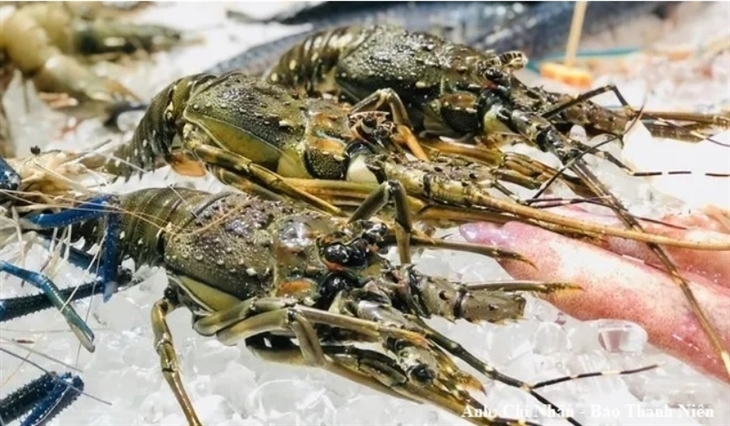
AsemconnectVietnam - According to statistics, Vietnam's seafood exports reached US$5.77 billion in the first half of the year. Shrimp remains the main export item, with Asian market continuing to drive growth.
According to Vietnam Customs, in June 2026, Vietnam's seafood exports reached nearly US$1.1 billion, a 20.6% increase compared to the same period in 2025. Cumulative export value for the first six months reached US$5.77 billion, a 12.7% increase. This result creates a positive foundation for the year's export target, but pressure from trade policies, raw material sources, and logistics costs remains significant.
Seafood export to China soar
In Vietnam's seafood export structure, China continues to be the largest single market for Vietnamese seafood, reaching US$1.39 billion in the first six months of the year, an increase of nearly 39% and accounting for over 24% of total export value. China and Hong Kong (China) combined, exports reached US$1.47 billion, an increase of 36%, accounting for 25.5%.
The US market reached US$891 million, a slight decrease of 0.8%. In June alone, export to the US increased by 43%, reaching nearly US$189 million. This development shows that delivery activities have significantly improved in the last month of the second quarter, partly related to importers accelerating shipments ahead of unpredictable changes in tariffs and trade policies.
Japan reached US$801 million, an increase of 2.3%; South Korea reached US$412 million, an increase of 7%; Australia achieved nearly $177 million, an increase of over 15%. Meanwhile, EU reached $535 million, a decrease of 1.1%.
At bloc market level, CPTPP continued to lead with $1.52 billion, an increase of 9.1%; ASEAN reached nearly $396 million, an increase of over 20%. This result shows that expansion into Asian markets, CPTPP and neighboring regions is helping to offset the stagnation in the US and EU.
Vietnam Association of Seafood Processing and Export (VASEP) assessed that shrimp was the largest contributing product group, reaching $2.35 billion, an increase of 14.2% and accounting for 40.7% of total seafood export turnover. Of this, whiteleg shrimp reached nearly $1.39 billion, an increase of 8.7%; lobster reached nearly $585 million, an increase of over 44%, continuing to be one of the most outstanding growth products.
Pangasius fish ranked second with $1.11 billion, up 11.7%. Other fish products also reached approximately $1.11 billion, up 11.4%, indicating an increasingly diversified export structure.
Smaller-scale product groups recorded quite positive results. Squid and octopus reached nearly $378 million, up 17.9%; crab, lobster, and other crustaceans reached $204 million, up 25%; and shellfish reached nearly $153 million, up about 31%.
Conversely, tuna reached nearly $455 million, down 1.6%; fish cakes and surimi decreased by 2%. Fishery-related product groups continue to be affected by raw material availability, fishing certification, traceability requirements, and regulations against IUU fishing.
Freight cost continue to be a pressure
According to FAO Globefish (part of the Fisheries and Aquaculture Division of the FAO - Food and Agriculture Organization of the United Nations), the global seafood market enters 2026 with some favorable signs as inflation in major economies cools and demand for seafood products remains relatively stable. However, tax policies, geopolitical conflicts, and fluctuating shipping costs could still rapidly alter trade flows.
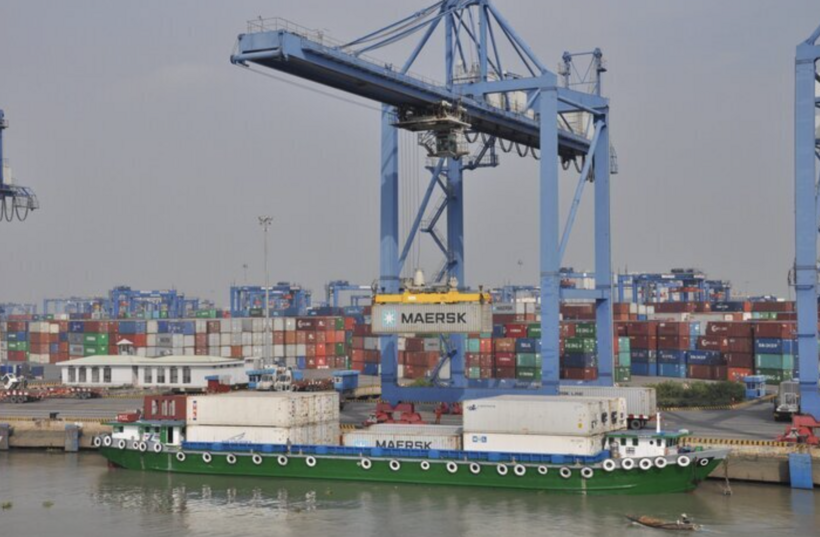
For Vietnam, container freight rates from Asia to the US and Europe remain high. At the beginning of July, freight rates for the Far East – West Coast of North America were around US$7,100/FEU, an increase of nearly 67% in one month; the Far East – Northern Europe route reached approximately US$5,500/FEU, an increase of nearly 43%.
Shipping costs, refrigerated container surcharges, fuel, warehousing, and schedule changes are directly impacting the cost and delivery capacity of seafood businesses. The increase in capacity by shipping lines and the gradual restoration of routes through the Suez Canal could help cool down freight costs in the second half of the year, but this prospect largely depends on the security situation in the Red Sea.
The $12 billion target is achievable but still subject to many variables.
Vietnam Association of Seafood Processing and Export (VASEP) believes that with a turnover of $5.77 billion in the first six months of the year, goal of maintaining double-digit growth in seafood exports in 2026 is feasible. If current pace is maintained and the increased demand during the year-end consumption season is well-utilized, the total annual turnover could easily exceed $11 billion. However, to reach the $12 billion mark, seafood exports need to maintain an average of over $1 billion per month in the second half of the year, amidst many market variables.
China, CPTPP, ASEAN, and South Korea are expected to continue supporting growth, while the US and EU still pose risks from tariffs, trade protection measures, traceability requirements, and IUU control. The ability to approach $12 billion mark will therefore depend on recovery of demand, developments in freight rates, raw material sources,and the ability to leverage FTAs.
Source: Vitic/ congthuong.vn
Seafood export to China soar
In Vietnam's seafood export structure, China continues to be the largest single market for Vietnamese seafood, reaching US$1.39 billion in the first six months of the year, an increase of nearly 39% and accounting for over 24% of total export value. China and Hong Kong (China) combined, exports reached US$1.47 billion, an increase of 36%, accounting for 25.5%.
The US market reached US$891 million, a slight decrease of 0.8%. In June alone, export to the US increased by 43%, reaching nearly US$189 million. This development shows that delivery activities have significantly improved in the last month of the second quarter, partly related to importers accelerating shipments ahead of unpredictable changes in tariffs and trade policies.
Japan reached US$801 million, an increase of 2.3%; South Korea reached US$412 million, an increase of 7%; Australia achieved nearly $177 million, an increase of over 15%. Meanwhile, EU reached $535 million, a decrease of 1.1%.
At bloc market level, CPTPP continued to lead with $1.52 billion, an increase of 9.1%; ASEAN reached nearly $396 million, an increase of over 20%. This result shows that expansion into Asian markets, CPTPP and neighboring regions is helping to offset the stagnation in the US and EU.
Vietnam Association of Seafood Processing and Export (VASEP) assessed that shrimp was the largest contributing product group, reaching $2.35 billion, an increase of 14.2% and accounting for 40.7% of total seafood export turnover. Of this, whiteleg shrimp reached nearly $1.39 billion, an increase of 8.7%; lobster reached nearly $585 million, an increase of over 44%, continuing to be one of the most outstanding growth products.
Pangasius fish ranked second with $1.11 billion, up 11.7%. Other fish products also reached approximately $1.11 billion, up 11.4%, indicating an increasingly diversified export structure.
Smaller-scale product groups recorded quite positive results. Squid and octopus reached nearly $378 million, up 17.9%; crab, lobster, and other crustaceans reached $204 million, up 25%; and shellfish reached nearly $153 million, up about 31%.
Conversely, tuna reached nearly $455 million, down 1.6%; fish cakes and surimi decreased by 2%. Fishery-related product groups continue to be affected by raw material availability, fishing certification, traceability requirements, and regulations against IUU fishing.
Freight cost continue to be a pressure
According to FAO Globefish (part of the Fisheries and Aquaculture Division of the FAO - Food and Agriculture Organization of the United Nations), the global seafood market enters 2026 with some favorable signs as inflation in major economies cools and demand for seafood products remains relatively stable. However, tax policies, geopolitical conflicts, and fluctuating shipping costs could still rapidly alter trade flows.
For Vietnam, container freight rates from Asia to the US and Europe remain high. At the beginning of July, freight rates for the Far East – West Coast of North America were around US$7,100/FEU, an increase of nearly 67% in one month; the Far East – Northern Europe route reached approximately US$5,500/FEU, an increase of nearly 43%.
Shipping costs, refrigerated container surcharges, fuel, warehousing, and schedule changes are directly impacting the cost and delivery capacity of seafood businesses. The increase in capacity by shipping lines and the gradual restoration of routes through the Suez Canal could help cool down freight costs in the second half of the year, but this prospect largely depends on the security situation in the Red Sea.
The $12 billion target is achievable but still subject to many variables.
Vietnam Association of Seafood Processing and Export (VASEP) believes that with a turnover of $5.77 billion in the first six months of the year, goal of maintaining double-digit growth in seafood exports in 2026 is feasible. If current pace is maintained and the increased demand during the year-end consumption season is well-utilized, the total annual turnover could easily exceed $11 billion. However, to reach the $12 billion mark, seafood exports need to maintain an average of over $1 billion per month in the second half of the year, amidst many market variables.
China, CPTPP, ASEAN, and South Korea are expected to continue supporting growth, while the US and EU still pose risks from tariffs, trade protection measures, traceability requirements, and IUU control. The ability to approach $12 billion mark will therefore depend on recovery of demand, developments in freight rates, raw material sources,and the ability to leverage FTAs.
Source: Vitic/ congthuong.vn
Strategy to turn lobster into a billion-dollar export industry
Fruit and vegetable exports surpass $1bln monthly milestone for the first time
Expectations for easier IPO listing requirements
Electronics and phone exports drive Vietnam’s trade growth
Steel exports fell in volume, rose in value in first half of 2026
Vietnam’s exports to Malaysia saw growth in first half of 2026
Quang Tri to tackle 55 delayed projects
Vietnam remains a promising digital entertainment market
HCMC welcomes 7.13 Million foreign visitors in 7M
Da Nang invests over $79mln in social housing project in Hoa Xuan ward
Hanoi to break ground on 114 social housing projects in H2 2026
Vietnam's GDP growth estimated at 8.18% in first half of 2026
Vietnam's manufacturing sector maintained stable growth, fueling 2026 industrial growth target
Two El Niño risk scenarios projected for Vietnam in 2026-2027
Ministry of Industry and Trade issues action plan to ...
The Ministry of Industry and Trade (MoIT) has issued an action plan to implement the “GoGlobal Program for 2026-2030,” outlining key ...National Assembly Chairman: Foreign affairs must become a ...
Place preserving memories of President Ho Chi Minh in ...
Vietnamese leaders pay tribute to President Ho Chi Minh on ...
Plan on boosting export of Hanoi City in a period of ...
To organize synchronized and effective implementation of key tasks and solutions of the Politburo's Resolutions, the ...Inter-sectoral legal support program for small and ...
General plan task of Can Tho City until 2050 with a vision ...
