


Australia, Poland and many other markets simultaneously signal new SPS regulations
Friday, June 12,2026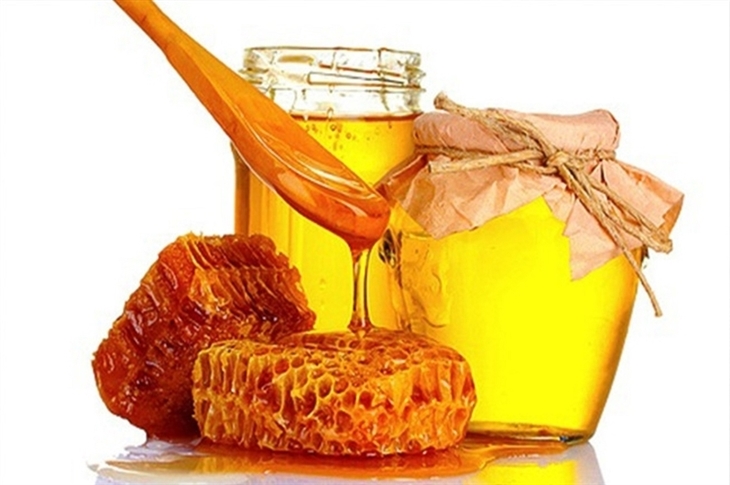
AsemconnectVietnam - New regulations on plant quarantine, food safety and traceability, issued by various countries in the second half of May, are impacting many Vietnamese agricultural products.
Australia tightens quarantine regulations for breeding materials
According to a summary by Vietnam SPS Office, from May 15-31, 2026, members of World Trade Organization (WTO) issued 44 notifications related to food safety and animal and plant quarantine measures (SPS), including 25 draft notifications for comments and 19 effective notifications.
In total for May 2026, WTO members issued 97 SPS notifications, including 68 draft notifications for comments and 29 effective notifications, showing a continuing trend of increasing food safety and quarantine requirements for imported and exported goods. Notably, many new regulations could directly impact Vietnam's agricultural and food exports to large and potential markets. One notable announcement is Australia's expansion of biosecurity risk control measures to include various types of propagation materials and seedlings.
Regarding announcements related to Moko disease, banana bunchy top virus, banana mosaic virus and Phytophthora ramorum fungus, Vietnam is classified as a country with reported outbreaks or high risk. Therefore, tissue culture samples imported into Australia must include a supplemental declaration confirming a negative PCR test result.
For non-tissue culture materials, goods must be placed in a post-import quarantine facility under Australian government control for 12-15 months for disease monitoring. For Xylella fastidiosa bacteria, Vietnam is classified as a low-risk country. However, all propagation materials must still include a supplemental declaration on phytosanitary certificate to confirm shipment originates from a disease-free country.
Another notable move comes from Poland, which has issued emergency measures regulating maximum residue levels for certain pesticide active ingredients in food originating from third countries. Regulations apply to many popular export items such as citrus fruits, apples, pears, peaches, plums, grapes, mangoes, papayas, tomatoes, eggplants, beans, cereals, and honey. Accordingly, maximum residue levels for carbendazim and benomyl are reduced to 0.01 mg/kg; glufosinate to 0.03 mg/kg; and thiophanate-methyl to 0.01 mg/kg.
Poland stated that these active ingredients have been banned or have not had their approvals renewed in European Union due to potential risks to human health, including reproductive toxicity, mutagenicity, and endocrine disruption. Regulations take effect on June 7, 2026 and are expected to be in effect for 12 months.
Many markets simultaneously raise standards
Besides Australia and Poland, many other markets have also simultaneously updated their new SPS requirements. China has revised its draft national standard on the food additive Capsanthin, tightening criteria related to lead, arsenic, capsaicin and organic solvent residues.
European Union has issued a series of new regulations on use of probiotics and amino acids as feed additives and requires businesses to strengthen control over risk of endotoxin exposure for workers.
Turkey has revised its phytosanitary regulations, adding electronic registration and declaration procedures and strengthening inspections of imported, exported and transit plant products. Japan has also announced a draft revision of its food and food additive standards, updating testing methods for several enzymes used in the food industry.
Meanwhile, the East African Community announced a draft of a new standard for food-grade maize, stipulating a maximum moisture content of 13.5%, total aflatoxin levels not exceeding 10 µg/kg and numerous technical requirements regarding pesticide residues and heavy metals.
According to Vietnam SPS Office, current trend is for countries to increasingly strengthen measures to control food safety, plant quarantine, traceability and quality of imported agricultural products. This requires Vietnamese export businesses to regularly update SPS regulations of various markets, proactively adjust production processes, quality control and technical documentation to minimize risk of warnings or product rejection.
Source: Vitic/ congthuong.vn
According to a summary by Vietnam SPS Office, from May 15-31, 2026, members of World Trade Organization (WTO) issued 44 notifications related to food safety and animal and plant quarantine measures (SPS), including 25 draft notifications for comments and 19 effective notifications.
In total for May 2026, WTO members issued 97 SPS notifications, including 68 draft notifications for comments and 29 effective notifications, showing a continuing trend of increasing food safety and quarantine requirements for imported and exported goods. Notably, many new regulations could directly impact Vietnam's agricultural and food exports to large and potential markets. One notable announcement is Australia's expansion of biosecurity risk control measures to include various types of propagation materials and seedlings.
Regarding announcements related to Moko disease, banana bunchy top virus, banana mosaic virus and Phytophthora ramorum fungus, Vietnam is classified as a country with reported outbreaks or high risk. Therefore, tissue culture samples imported into Australia must include a supplemental declaration confirming a negative PCR test result.
For non-tissue culture materials, goods must be placed in a post-import quarantine facility under Australian government control for 12-15 months for disease monitoring. For Xylella fastidiosa bacteria, Vietnam is classified as a low-risk country. However, all propagation materials must still include a supplemental declaration on phytosanitary certificate to confirm shipment originates from a disease-free country.
Another notable move comes from Poland, which has issued emergency measures regulating maximum residue levels for certain pesticide active ingredients in food originating from third countries. Regulations apply to many popular export items such as citrus fruits, apples, pears, peaches, plums, grapes, mangoes, papayas, tomatoes, eggplants, beans, cereals, and honey. Accordingly, maximum residue levels for carbendazim and benomyl are reduced to 0.01 mg/kg; glufosinate to 0.03 mg/kg; and thiophanate-methyl to 0.01 mg/kg.
Poland stated that these active ingredients have been banned or have not had their approvals renewed in European Union due to potential risks to human health, including reproductive toxicity, mutagenicity, and endocrine disruption. Regulations take effect on June 7, 2026 and are expected to be in effect for 12 months.
Many markets simultaneously raise standards
Besides Australia and Poland, many other markets have also simultaneously updated their new SPS requirements. China has revised its draft national standard on the food additive Capsanthin, tightening criteria related to lead, arsenic, capsaicin and organic solvent residues.
European Union has issued a series of new regulations on use of probiotics and amino acids as feed additives and requires businesses to strengthen control over risk of endotoxin exposure for workers.
Turkey has revised its phytosanitary regulations, adding electronic registration and declaration procedures and strengthening inspections of imported, exported and transit plant products. Japan has also announced a draft revision of its food and food additive standards, updating testing methods for several enzymes used in the food industry.
Meanwhile, the East African Community announced a draft of a new standard for food-grade maize, stipulating a maximum moisture content of 13.5%, total aflatoxin levels not exceeding 10 µg/kg and numerous technical requirements regarding pesticide residues and heavy metals.
According to Vietnam SPS Office, current trend is for countries to increasingly strengthen measures to control food safety, plant quarantine, traceability and quality of imported agricultural products. This requires Vietnamese export businesses to regularly update SPS regulations of various markets, proactively adjust production processes, quality control and technical documentation to minimize risk of warnings or product rejection.
Source: Vitic/ congthuong.vn
Export tax rates in Export Tariff Schedule amended
Vietnam's trade balance in May and first five months of 2026
Vietnamese rice finds its place through quality and low emissions
In the first 5 months of the year, total import and export turnover increased sharply
Impressive growth in fruit and vegetable exports in the first 5 months of 2026
Forecast for rice export price recovery amidst supply pressure
Vietnam commodities market on June 11: Gold plunged, coffee and rubber declined, pepper bucked the trend
Regulations on procedures for issuing and managing APEC Business Travel Cards issued
New phase of supporting industry development carried out
Vietnam steel imports edge down in Jan-Apr despite higher prices
Vietnam's petroleum market in May 2026
Vietnam - ASEAN 'join hands' to develop smart logistics
Ministry of Industry and Trade requires enterprises to ensure uninterrupted supply of biofuel gasoline nationwide
Vietnamese food products gain prominence at RoK's leading food fair
