


Industry and Trade sector: Opening markets for Vietnamese agricultural products
Thursday, May 28,2026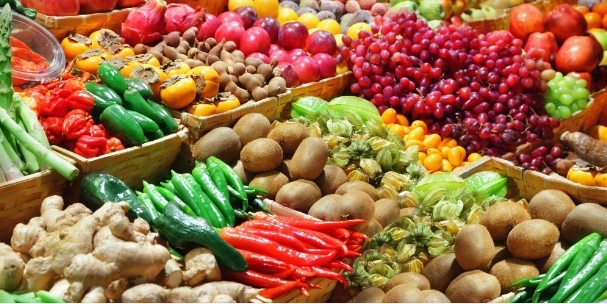
AsemconnectVietnam - 36 years after the first rice export shipment, Vietnamese agricultural products are increasingly asserting their position in the world, marked by opening of markets and integration by Industry and Trade sector.
Mark of market opening in journey of Vietnamese agricultural products
On August 23, 1989, a ship carrying 10,000 tonnes of 35% broken rice from Vietnam arrived at an Indian port at a price of 235 USD/tonne, marking a major turning point for Vietnamese agricultural products. And in just over 4 months at the end of 1989, Vietnam exported 1.4 million tonnes of rice, achieving a turnover of 322 million USD with an average export price of 226 USD/tonne. This event marked the beginning of journey of Vietnamese rice, which has continuously developed for several decades and had a significant impact on the world rice market.
“This is not just a commercial contract, but a milestone marking Vietnam's entry into global market with its own rice”, agricultural expert Hoang Trong Thuy shared with a reporter from Industry and Trade Newspaper.
According to Mr. Hoang Trong Thuy, looking back over the past three decades, journey of Vietnamese rice reflects the country's development and its process of international economic integration. Every 10 years or so, rice industry has added a new milestone.
In 1999, rice export turnover exceeded US$1 billion for the first time. By 2009, export volume exceeded 6 million tonnes. In 2011, Vietnam set a record with 7.1 million tonnes of rice exported, generating US$3.65 billion in revenue.
Notably, along with growth in production, development mindset of the rice industry has also changed significantly. Vietnamese rice no longer competes primarily on price but is gradually shifting towards improving quality, building brands, and increasing value.
June 30, 2022 became a memorable milestone when Vietnamese rice was exported under its own brand after passing more than 600 stringent testing criteria. From then on, Vietnamese fragrant rice varieties such as ST and OM gradually gained a foothold in demanding markets such as the EU, Japan and the United States.
Behind this transformation lies a whole process of market opening and leveraging new-generation free trade agreements such as EVFTA, CPTPP and UKVFTA. Commitments on tariffs, quotas and technical standards have opened more doors for Vietnamese agricultural products to enter high-end markets.
For rice alone, EU allocates tens of thousands of tonnes to Vietnam annually with a 0% tariff rate, creating more room for businesses to expand their market.
From simply selling what it has, Vietnamese agriculture is gradually shifting towards production based on market demand. Businesses like Loc Troi Group, Vinaseed and Tan Long Group are no longer merely purchasing rice but have invested in building raw material areas, linking with cooperatives, developing logistics and ensuring traceability.
In 2024, Vietnam's rice exports reached approximately 9 million tonnes with a value of US$5.7 billion, the highest ever. The average export price reached nearly US$628/tonne, showing a strong shift from competing on quantity to competing on quality and added value.
Currently, Vietnamese rice is present in more than 150 countries and territories. The pride lies not only in production volume or value, but also in the fact that Vietnamese rice is gradually being recognized as a high-quality product in the global market.
If rice was the pioneering product, then fruit is a clear testament to the ability of Vietnamese agricultural products to conquer demanding markets. In 2008, dragon fruit became the first Vietnamese fruit to be exported to the United States. Subsequently, longan, rambutan, lychee, star apple and mango successively entered markets with very high standards such as the US, Japan, Australia and New Zealand.
For a fruit to be licensed for these markets, it often takes years of technical negotiations, completing documentation and meeting strict quarantine procedures. Lychee entered Australia in 2015 after more than 12 years of negotiations. Cat Chu mango entered Japan after 5 years of perfecting technical procedures. Fresh longan was licensed in Australia in 2019 after rigorous quality checks.
Behind each container of exported agricultural products is not only hard work of farmers or businesses, but also the persistent efforts in opening markets, promoting trade and removing technical barriers. To date, Vietnamese fruit is present in approximately 60 countries and territories. In the first four months of 2026 alone, fruit and vegetable exports reached nearly US$2.06 billion, an increase of approximately 22% compared to the same period last year.
Not only has the volume increased but export structure has also undergone positive changes. Many businesses have paid more attention to deep processing, developing frozen, dried or concentrated juice products to increase added value and reduce dependence on raw exports.
Expanding markets and increasing the value of agricultural products
Throughout 75 years of construction and development, Ministry of Industry and Trade has not only served the purpose of circulating goods but also played a role in paving the way for Vietnamese agricultural products to enter markets.
This role is demonstrated through negotiating free trade agreements, expanding export markets, promoting trade, developing e-commerce, logistics and connecting businesses with international distribution systems.
In context of a rapidly changing global market, with increasingly stringent requirements for traceability, green development, and sustainability standards, Ministry of Industry and Trade has identified the need to continue diversifying export markets and reducing dependence on a few traditional markets.
Simultaneously, it aims to promote digital transformation in agricultural production and consumption; develop traceability systems; and invest in cold storage, logistics centers and modern processing infrastructure to reduce distribution costs and enhance competitiveness.
Another important direction is to support Vietnamese agricultural products in participating more deeply in the global value chain through connections with major retail corporations and distribution systems worldwide.
Ministry of Industry and Trade also aims to promote Vietnamese agricultural product brands associated with quality, green standards, and sustainable development; while supporting businesses, cooperatives, and farmers to more effectively access e-commerce and modern distribution channels.
However, behind these multi-billion dollar figures, many challenges remain. Farmers often face rising production costs and volatile markets. Therefore, according to Mr. Hoang Trong Thuy, the challenge for Vietnamese agricultural products today is no longer about increasing production at all costs, but about improving quality, building brands, and increasing value throughout the entire supply chain.
"For Vietnamese agricultural products to go further, they cannot rely solely on hard work; they need technology, deep processing, modern logistics, and market-oriented thinking. And in that journey, the market-creating role of the Ministry of Industry and Trade will continue to be a crucial link in elevating Vietnamese agricultural products in the new integration phase," Mr. Hoang Trong Thuy shared.
Source: Vitic/ congthuong.vn
On August 23, 1989, a ship carrying 10,000 tonnes of 35% broken rice from Vietnam arrived at an Indian port at a price of 235 USD/tonne, marking a major turning point for Vietnamese agricultural products. And in just over 4 months at the end of 1989, Vietnam exported 1.4 million tonnes of rice, achieving a turnover of 322 million USD with an average export price of 226 USD/tonne. This event marked the beginning of journey of Vietnamese rice, which has continuously developed for several decades and had a significant impact on the world rice market.
“This is not just a commercial contract, but a milestone marking Vietnam's entry into global market with its own rice”, agricultural expert Hoang Trong Thuy shared with a reporter from Industry and Trade Newspaper.
According to Mr. Hoang Trong Thuy, looking back over the past three decades, journey of Vietnamese rice reflects the country's development and its process of international economic integration. Every 10 years or so, rice industry has added a new milestone.
In 1999, rice export turnover exceeded US$1 billion for the first time. By 2009, export volume exceeded 6 million tonnes. In 2011, Vietnam set a record with 7.1 million tonnes of rice exported, generating US$3.65 billion in revenue.
Notably, along with growth in production, development mindset of the rice industry has also changed significantly. Vietnamese rice no longer competes primarily on price but is gradually shifting towards improving quality, building brands, and increasing value.
June 30, 2022 became a memorable milestone when Vietnamese rice was exported under its own brand after passing more than 600 stringent testing criteria. From then on, Vietnamese fragrant rice varieties such as ST and OM gradually gained a foothold in demanding markets such as the EU, Japan and the United States.
Behind this transformation lies a whole process of market opening and leveraging new-generation free trade agreements such as EVFTA, CPTPP and UKVFTA. Commitments on tariffs, quotas and technical standards have opened more doors for Vietnamese agricultural products to enter high-end markets.
For rice alone, EU allocates tens of thousands of tonnes to Vietnam annually with a 0% tariff rate, creating more room for businesses to expand their market.
From simply selling what it has, Vietnamese agriculture is gradually shifting towards production based on market demand. Businesses like Loc Troi Group, Vinaseed and Tan Long Group are no longer merely purchasing rice but have invested in building raw material areas, linking with cooperatives, developing logistics and ensuring traceability.
In 2024, Vietnam's rice exports reached approximately 9 million tonnes with a value of US$5.7 billion, the highest ever. The average export price reached nearly US$628/tonne, showing a strong shift from competing on quantity to competing on quality and added value.
Currently, Vietnamese rice is present in more than 150 countries and territories. The pride lies not only in production volume or value, but also in the fact that Vietnamese rice is gradually being recognized as a high-quality product in the global market.
If rice was the pioneering product, then fruit is a clear testament to the ability of Vietnamese agricultural products to conquer demanding markets. In 2008, dragon fruit became the first Vietnamese fruit to be exported to the United States. Subsequently, longan, rambutan, lychee, star apple and mango successively entered markets with very high standards such as the US, Japan, Australia and New Zealand.
For a fruit to be licensed for these markets, it often takes years of technical negotiations, completing documentation and meeting strict quarantine procedures. Lychee entered Australia in 2015 after more than 12 years of negotiations. Cat Chu mango entered Japan after 5 years of perfecting technical procedures. Fresh longan was licensed in Australia in 2019 after rigorous quality checks.
Behind each container of exported agricultural products is not only hard work of farmers or businesses, but also the persistent efforts in opening markets, promoting trade and removing technical barriers. To date, Vietnamese fruit is present in approximately 60 countries and territories. In the first four months of 2026 alone, fruit and vegetable exports reached nearly US$2.06 billion, an increase of approximately 22% compared to the same period last year.
Not only has the volume increased but export structure has also undergone positive changes. Many businesses have paid more attention to deep processing, developing frozen, dried or concentrated juice products to increase added value and reduce dependence on raw exports.
Expanding markets and increasing the value of agricultural products
Throughout 75 years of construction and development, Ministry of Industry and Trade has not only served the purpose of circulating goods but also played a role in paving the way for Vietnamese agricultural products to enter markets.
This role is demonstrated through negotiating free trade agreements, expanding export markets, promoting trade, developing e-commerce, logistics and connecting businesses with international distribution systems.
In context of a rapidly changing global market, with increasingly stringent requirements for traceability, green development, and sustainability standards, Ministry of Industry and Trade has identified the need to continue diversifying export markets and reducing dependence on a few traditional markets.
Simultaneously, it aims to promote digital transformation in agricultural production and consumption; develop traceability systems; and invest in cold storage, logistics centers and modern processing infrastructure to reduce distribution costs and enhance competitiveness.
Another important direction is to support Vietnamese agricultural products in participating more deeply in the global value chain through connections with major retail corporations and distribution systems worldwide.
Ministry of Industry and Trade also aims to promote Vietnamese agricultural product brands associated with quality, green standards, and sustainable development; while supporting businesses, cooperatives, and farmers to more effectively access e-commerce and modern distribution channels.
However, behind these multi-billion dollar figures, many challenges remain. Farmers often face rising production costs and volatile markets. Therefore, according to Mr. Hoang Trong Thuy, the challenge for Vietnamese agricultural products today is no longer about increasing production at all costs, but about improving quality, building brands, and increasing value throughout the entire supply chain.
"For Vietnamese agricultural products to go further, they cannot rely solely on hard work; they need technology, deep processing, modern logistics, and market-oriented thinking. And in that journey, the market-creating role of the Ministry of Industry and Trade will continue to be a crucial link in elevating Vietnamese agricultural products in the new integration phase," Mr. Hoang Trong Thuy shared.
Source: Vitic/ congthuong.vn
Da Nang city emerges as global innovation start-up hub
Deputy PM urges strict risk control for VIFC rollout
Vietnamese products make strong impression at Foodservice Australia 2026
Int'l exhibition on modern agricultural supplies opens in Ho Chi Minh City
Largest Australian rice distributor expands investment in Vietnam
Vietnam's growth challenge and transformation pressure
Plan to strengthen trade promotion for handicraft products approved
Diversifying transportation methods, maintaining supply chains with the Middle East
Standardizing planting area codes to protect Vietnamese agricultural product brands
Vietnamese rice export expected to recover from Q2/2026
Vietnam agricultural market on May 27, 2026: Central highlands coffee prices slightly rebounded
Phu Tho expands strategic cooperation with Chinese enterprises
Sweet start: Bac Ninh ships over 1,000 tonnes of early lychees overseas
Hanoi to host major toy and child products exhibition

Public debt borrowing and repayment plan for 2026
Ensuring resources: Mobilizing sufficient and timely borrowed capital at reasonable costs and acceptable risks to meet expenditure needs ...Plan on implementation of high-tech law
Inter-sectoral legal support program for small and ...

Tourism destinations refresh offerings to welcome New ...
Across the Mekong Delta, many tourist sites have been busy upgrading their offerings. At the Con Son tourism site in Can Tho city, members ...Annual New Year festival shines in Da Nang
Phu Quoc emerging as a favourite global destination
Vietnam Airlines adds 270 flights to during 2026 New Year ...
